


 Rosie Fielding
 If you are looking for a simple dessert with a bright lemon flavour and a wonderfully creamy texture, this Delia Smith No Bake Lemon Cheesecake Recipe is a particularly appealing choice. It has a buttery digestive biscuit base, a smooth mascarpone filling and plenty of fresh lemon zest and juice.
There is no oven involved in making the cheesecake itself. Once the base is prepared and the filling is mixed, the cheesecake simply needs time in the refrigerator to firm up.
Why This No-Bake Lemon Cheesecake Works So Well
A few things set it apart from other no-bake cheesecakes you’ll find online:
- The lemon juice does double duty — it flavours the filling and helps it firm up in the fridge.
- The biscuit base uses melted butter rather than a mix of butter and syrup, keeping the crumb short and crisp rather than sticky.
- There’s no gelatine involved, so there’s nothing to bloom, dissolve, or get wrong.
Ingredients You Will Need
For the biscuit base:
- 110g digestive biscuits
- 50g butter, melted
- 25g light soft brown sugar
For the lemon filling:
- 350g full-fat mascarpone
- 75g caster sugar
- Zest of 1 large lemon
- 90ml fresh lemon juice, usually from 2–3 lemons
These quantities make a cheesecake in a 20cm loose-bottomed cake tin. The recipe is generally described as serving around six to eight portions, depending on how generously you cut the slices.

Choosing the Mascarpone
Full-fat mascarpone is important here.
Because there is no gelatine or baked egg mixture to provide structure, the texture depends heavily on the richness of the mascarpone and the chilling process.
Reduced-fat mascarpone may produce a softer filling and is therefore not the best choice if you want neat slices.
For the lemon, use fresh fruit rather than bottled juice whenever possible. Freshly squeezed lemon gives the filling a cleaner, more fragrant flavour.
Equipment Needed
A few useful items are:
- 20cm loose-bottomed cake tin
- Baking parchment
- Large mixing bowl
- Small saucepan
- Food processor or rolling pin
- Wooden spoon or electric whisk
- Palette knife or the back of a spoon
- Fine grater or microplane
- Citrus juicer
A loose-bottomed tin makes removing the finished cheesecake much easier. Line the base with baking parchment before adding the biscuit mixture.
How To Make Delia Smith No Bake Lemon Cheesecake
1. Prepare the Biscuit Base
Start by crushing the digestive biscuits into fine crumbs.
You can use a food processor, but a food bag and rolling pin work perfectly well. Aim for fairly fine crumbs so the finished base holds together when sliced.
Melt the butter gently in a small saucepan. Remove it from the heat and stir in the light brown sugar and crushed biscuits.
Mix until the butter has coated the crumbs evenly.
Line the base of a 20cm loose-bottomed tin with baking parchment. Tip in the biscuit mixture and press it down firmly into an even layer.
The back of a spoon works well for this. You can also use the bottom of a glass to compact the mixture.
Place the base in the refrigerator while you prepare the filling.
The published recipe follows this same basic sequence: crushed digestive biscuits are combined with melted butter and brown sugar before the base is chilled.
2. Make the Lemon Filling
Before juicing the lemons, finely grate the zest from one large lemon.
This is easier while the fruit is still whole, and the zest contains aromatic citrus oils that give the cheesecake much of its lemon character.
Put the mascarpone into a large mixing bowl. Add the caster sugar, lemon zest and freshly squeezed lemon juice.
Beat the mixture gently until smooth and creamy.
Take care not to overwork the mascarpone. The aim is simply to combine everything into a smooth filling.
If you are using an electric whisk, keep the speed low and stop as soon as the mixture is smooth.
3. Fill the Cheesecake
Remove the chilled biscuit base from the refrigerator.
Spoon the lemon mascarpone mixture over the base and spread it evenly.
A palette knife is useful for smoothing the surface, although the back of a spoon will also do the job.
Try to work fairly quickly once the filling is mixed. There is no need to keep beating it or repeatedly smoothing the surface.
4. Chill Until Firm
Cover the cheesecake and return it to the refrigerator.
Allow at least four hours for a firm, sliceable result. An overnight chill is even better if you have the time.
This is the most important part of the recipe because there is no baked filling or gelatine to force the cheesecake to set quickly.
The published versions recommend several hours of chilling, with overnight refrigeration giving a firmer result.

The Most Important Tips for a Successful Cheesecake
A few small details can make a significant difference.
Use full-fat mascarpone. It provides the richness and structure needed for this simple filling.
Do not rush the chilling stage. Four hours is a useful minimum, but overnight refrigeration makes serving easier.
Press the biscuit base firmly. A loose base can crumble when you cut the cheesecake.
Use fresh lemons. The combination of juice and finely grated zest gives a much more pronounced citrus flavour.
Do not overmix the mascarpone. Mix only until the filling is smooth. Excessive beating can affect the texture.
Keep the cheesecake cold until serving. This is particularly important because the filling is designed to be soft and creamy rather than heavily set.
Why Did My No-Bake Cheesecake Not Set?
The first thing to check is the chilling time.
A no-bake cheesecake without gelatine needs enough time in the refrigerator to firm up. If it has only been chilled for an hour or two, it may still be too soft to slice cleanly.
Next, check the mascarpone. Full-fat mascarpone is the better choice for this recipe.
The ratio of lemon juice also matters. The recipe calls for approximately 90ml, so adding considerably more liquid can change the consistency of the filling.
Finally, avoid excessive mixing. The published method specifically recommends beating the mascarpone mixture only until it becomes smooth and creamy.
If your cheesecake is already assembled and seems soft, give it more refrigerator time before trying to remove it from the tin.
Can You Make This Cheesecake Ahead?
Yes. In fact, this is one of the most convenient features of a no-bake lemon cheesecake.
You can prepare it the day before serving and leave it covered in the refrigerator overnight. This gives the filling plenty of time to firm up and means there is very little dessert preparation left to do when guests arrive.
Keep the cheesecake refrigerated until you are ready to serve it.
For the best texture, avoid leaving it sitting at room temperature for extended periods, particularly on a warm day.
Common Issues You Might Face
The filling stays too soft to slice cleanly. This is almost always down to either using low-fat cream cheese, not chilling for long enough, or adding too much lemon juice relative to the amount of cream cheese and cream. Stick to full-fat cream cheese and give it time in the fridge before serving.
The base is soggy rather than crisp. This usually happens if the base isn’t pressed down firmly enough, or if the filling goes on before the base has had any time to chill and firm up.
The cheesecake cracks or tears when it’s removed from the tin. No-bake cheesecakes are more delicate than baked ones. Run a thin palette knife around the edge of the tin before releasing the sides, and always work with the cheesecake well chilled, straight from the fridge.
Can You Freeze No-Bake Lemon Cheesecake?
Freezing is possible, but the texture can change slightly after thawing.
If you want to freeze it, it is best to freeze the cheesecake thoroughly while it is still in its tin. Once frozen solid, wrap it well to protect it from freezer air.
Thaw it slowly in the refrigerator rather than at room temperature.
Because this cheesecake has a creamy mascarpone filling and a biscuit base, the base may soften slightly after thawing. For that reason, refrigeration is preferable when you are making it only a day or two ahead.
Fridge: Keep the cheesecake covered in the fridge for up to 3 days. It’s best eaten within the first two days, while the base is still at its crispest.
Easy Variations
Lemon and Lime Cheesecake
For a sharper citrus flavour, replace some of the lemon with lime.
A lemon-and-lime version gives the filling a slightly more complex citrus character while retaining the creamy mascarpone texture. A published version of this recipe also notes lemon-and-lime as a possible variation.
Gingernut Biscuit Base
Digestives are the classic choice, but gingernut biscuits can add a warm spicy note that works particularly well with lemon.
If using a different biscuit, remember that the amount of butter needed may vary depending on how dry or buttery the biscuits are.
Fresh Fruit Topping
You can keep the cheesecake completely plain, or add a small amount of fresh fruit just before serving.
Raspberries, blueberries and strawberries all work well with lemon. Keep the topping relatively light so that it does not overpower the citrus filling.
What to Serve With Lemon Cheesecake
This cheesecake is rich enough to stand on its own, so elaborate accompaniments are unnecessary.
A few fresh raspberries or blueberries make an attractive addition.
For extra citrus flavour, finely grated lemon zest can be scattered over the top immediately before serving.
You could also serve individual slices with a few berries and a small spoonful of softly whipped cream.

For a dinner party, serving it alongside fresh raspberries or a light raspberry coulis cuts through the richness nicely. It also holds up well as part of a larger dessert spread, sitting comfortably alongside something like a classic pavlova or a chocolate roulade if you’re catering for a bigger gathering with different tastes to please.
Nutrition Facts
The following nutrition information is an estimate for one serving, based on 6 servings from the full cheesecake:
- Calories: Approximately 520 kcal
- Protein: Approximately 7g
- Carbohydrates: Approximately 35g
- Fat: Approximately 40g
- Saturated Fat: Approximately 24g
- Sugar: Approximately 23g
- Fibre: Approximately 1g
- Sodium: Approximately 250mg
Please note: Nutrition values are estimates and can vary depending on the brands and exact quantities of ingredients used. Adding toppings will also increase the nutritional values.
Frequently Asked Questions
Can I make this Delia Smith no bake lemon cheesecake without gelatine?
Yes. Delia Smith’s lemon cheesecake does not use gelatine. It relies on full-fat mascarpone and sufficient refrigeration to produce a firm, creamy filling.
How long does a no-bake lemon cheesecake need to chill?
Allow at least four hours for this version, although chilling overnight is preferable when you want particularly neat slices.
Can I use cream cheese instead of mascarpone?
You can, but the result will not have exactly the same texture. Mascarpone is richer and has a different consistency, so substituting cream cheese may produce a softer or tangier cheesecake.
If you change the main cheese, treat it as an adaptation rather than an exact version of this recipe.
Why is my cheesecake base falling apart?
The biscuit crumbs may not have been pressed firmly enough, or the butter may not have been distributed evenly.
Make sure every crumb is coated with the melted butter mixture and compact the base firmly in the tin.
Can I use bottled lemon juice?
You can, but fresh lemons are preferable. Fresh juice gives a brighter flavour, while fresh zest adds aromatic oils that bottled juice cannot provide.
Can I make the cheesecake the night before?
Yes. Overnight refrigeration is actually a very convenient way to prepare it. Keep it covered and refrigerated until serving.
Can I use lime instead of lemon?
Yes. Lime can be used for a sharper, slightly more tropical variation. You can also combine lemon and lime for a mixed-citrus version.
How do I stop the cheesecake from becoming too soft?
Use full-fat mascarpone, measure the lemon juice accurately, avoid excessive mixing and give the finished cheesecake plenty of time in the refrigerator.
Can We Make Delia Smith Lemon Cheesecake with Frosted Grapes?
Yes, you can serve Delia Smith lemon cheesecake with frosted grapes. Use them as a topping or garnish after the cheesecake has chilled. The sweet, crisp grapes pair well with the creamy, tangy lemon filling.
Final Thoughts
This No Bake Lemon Cheesecake is appealing because it keeps the process remarkably straightforward. There is no oven, no complicated custard and no gelatine to prepare.
The combination of digestive biscuits, buttery brown sugar base, rich mascarpone and fresh lemon creates a dessert with a pleasing contrast of textures and flavours.
Make it the day before serving if possible, then add a little fresh fruit or lemon zest just before it reaches the table.
If you’re looking for something else to round out the table, Delia’s apple crumble or all-in-one Victoria sponge both make good companions for an afternoon of easy, reliable baking.
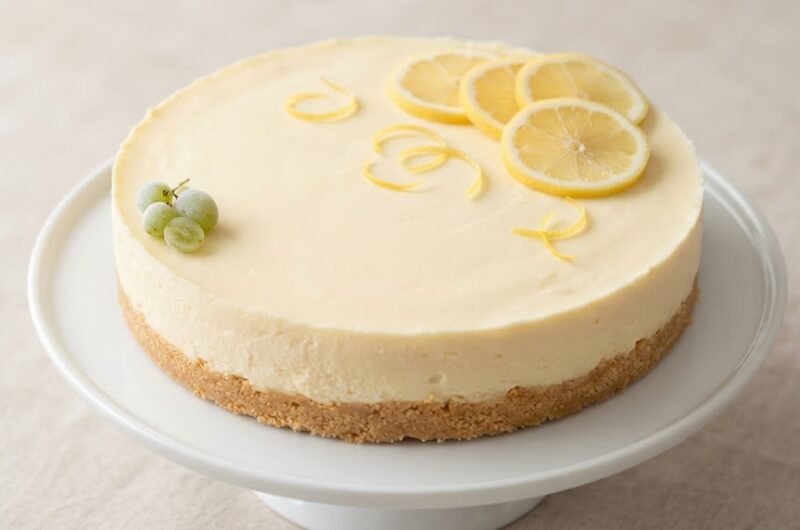
Delia Smith No Bake Lemon Cheesecake Recipe
Course: DessertCuisine: British6
servings20
minutes520
kcal4
hoursA creamy, refreshing no-bake lemon cheesecake made with a buttery digestive biscuit base, rich mascarpone, fresh lemon juice and lemon zest. It is easy to prepare ahead and needs no oven.
Ingredients
For the biscuit base:
110g digestive biscuits
50g butter, melted
25g light soft brown sugar
For the lemon filling:
350g full-fat mascarpone
75g caster sugar
Zest of 1 large lemon
90ml fresh lemon juice (approximately 2–3 lemons)
Directions
- Crush the digestive biscuits into fine crumbs using a food processor or rolling pin.
- Melt the butter gently in a small saucepan. Stir in the brown sugar and crushed biscuits until evenly combined.
- Line the base of a 20cm loose-bottomed cake tin with baking parchment. Press the biscuit mixture firmly and evenly into the base.
- Chill the biscuit base in the refrigerator while preparing the filling.
- Finely grate the zest from one large lemon and squeeze enough fresh lemon juice to give approximately 90ml.
- Place the mascarpone, caster sugar, lemon zest and lemon juice in a large mixing bowl.
- Beat gently until the mixture is smooth and creamy. Avoid overmixing.
- Spoon the lemon mascarpone mixture over the chilled biscuit base and smooth the surface.
- Cover and refrigerate for at least 4 hours, or preferably overnight, until firm.
- Remove from the tin, slice with a sharp knife and serve chilled.
Notes
- Use full-fat mascarpone for the best texture and stability.
- Freshly squeezed lemon juice gives the cheesecake a brighter flavour.
- Press the biscuit base firmly so it does not crumble when sliced.
- Do not add substantially more lemon juice, as excess liquid can make the filling too soft.


